

Fake Check Scam
06/03/2026
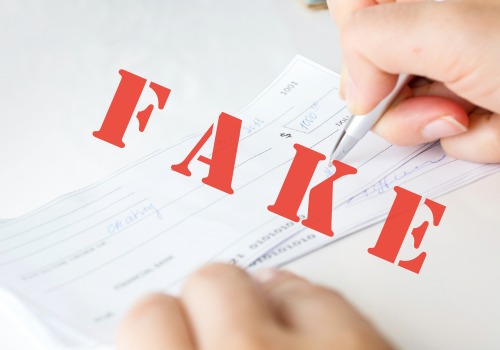
It can start with a text message, online sale, job offer, or even a “prize” notification. Someone sends you a check, asks you to deposit it, and then wants part of the money sent back. It may seem legitimate but it’s one of the most common scams targeting consumers today.
How Fake Check Scams Work
Most fake check scams follow the same pattern. A scammer sends you a check and asks you to deposit it quickly. They ask you to send some of the money back through gift cards, wire transfers, payment apps, or cryptocurrency. Later, the check is discovered to be fake and you’re responsible for the lost funds.
Scammers create believable stories to make the situation seem urgent or legitimate. According to the Federal Trade Commission, common fake check scams involve:
- Online marketplace overpayments
- Mystery shopper jobs
- Remote job offers
- Sweepstakes or prize winnings
- “Accidental” extra payments
Why These Scams Work
Fake checks can look incredibly real. Some even use the names and account information of legitimate businesses or financial institutions. Scammers hope the bank does not look closely at the check and just deposits it. It may take several days to identify the check is fake but it is already too late. Scammers have received the money and it is nearly impossible to get back.
Red Flags To Watch For
Here are some warning signs that should immediately raise your suspicion for a fake check:
- Someone sends you more money than expected
- You’re asked to send money back
- Payment instructions involve gift cards, wire or cryptocurrency
- A stranger pressures you to act quickly
- You “win” a prize but must pay a fee or taxes upfront before collecting
How To Protect Yourself
A few simple steps can help protect you:
- Don’t trust checks from strangers
- Never send money back to someone who sent you a check
- If something feels rushed or too good to be true, slow down and ask questions to verify before acting.
TruBank Is Here To Help
Fraud scams continue to evolve, but awareness is one of the best defenses. If you receive a check you were not expecting or something about the situation feels unusual, TruBank’s team is happy to help review situations with you and provide guidance before money is sent or deposited. In many cases, unexpected checks from unfamiliar people or businesses can be a sign of fraud. A quick conversation today could help prevent a costly mistake tomorrow.