

How To Improve Your Credit Score
07/01/2026
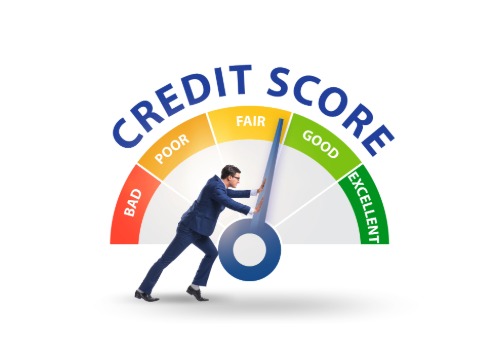
Your credit score is more than just a number. It can affect your ability to qualify for loans, secure favorable interest rates, and even save money over time. Whether you're looking to buy a home, finance a vehicle, or simply strengthen your financial foundation, improving your credit score can open more opportunities. But how can you do to raise your credit score?
Why Does Your Credit Score Matter?
Lenders use your credit score to evaluate how responsibly you've managed credit in the past. Generally, a higher credit score signals lower risk, which can lead to better loan terms and lower interest rates. Even moving from one credit score range to the next can make a meaningful difference when applying for credit.
While scoring models vary, credit scores typically fall into these ranges:
- Poor: 300–579
- Fair: 580–669
- Good: 670–739
- Very Good: 740–799
- Excellent: 800–850
What Impacts Your Credit Score and 5 Ways to Improve It
Several factors influence your credit score, but some carry more weight than others. We list the common credit scoring models, FICO percentage weight, and ways to improve each area.
1. Payment History (35%)
Payment history is the single biggest factor affecting your credit score. Even one missed payment can have a negative impact. Consider setting up automatic payments to ensure bills are paid by their due dates.
2. Credit Utilization (30%)
Credit utilization measures how much of your available credit you're using. As a general guideline, try to keep balances below 30% of your available credit limit. For example, if you have a credit card with a $5,000 limit, keeping your balance below $1,500 can help support a healthier credit profile.
3. New Credit Inquiries (10%)
Every credit application can generate a hard inquiry on your credit report. While one inquiry may have only a small impact, several inquiries within a short period can temporarily lower your score. Before applying for new credit, ask yourself whether it's truly necessary.
4. Length of Credit (15%)
The length of your credit history matters. Closing an older credit card account can reduce the average age of your accounts and potentially increase your credit utilization ratio. If an older account has no annual fee and fits your financial situation, keeping it open may benefit your credit profile.
5. Credit Mix (10%)
Responsibly managing different types of credit such as credit cards, auto loans, student loans, or a mortgage can demonstrate your ability to handle various financial obligations. But don't open new accounts solely to diversify your credit mix. Focus first on managing existing accounts responsibly.
Review Your Credit Reports Regularly
Mistakes happen. Incorrect account information, reporting errors, or even fraudulent activity can negatively affect your score. Review your credit reports periodically and dispute any inaccuracies you find. Correcting errors can sometimes provide a relatively quick improvement to your credit profile.
Building Better Credit Takes Time
Improving your credit score isn't about finding a quick fix. It's about creating healthy financial habits that you can maintain over the long term. By paying on time, keeping balances manageable, monitoring your credit, and borrowing responsibly, you can steadily strengthen your credit profile and position yourself for future financial opportunities. If you have questions about managing debt, financing a major purchase, or building a stronger financial foundation, the team at TruBank is here to help!