

Sniff Out AI Scams and Stay Cybersecure
10/07/2026
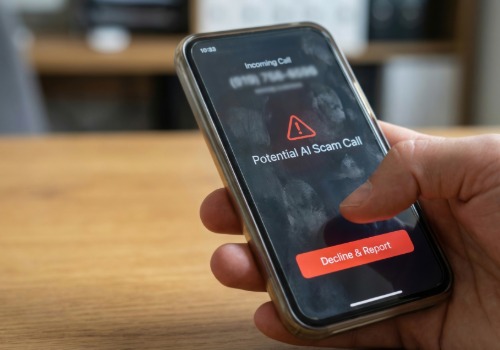
October is Cybersecurity Awareness Month, a global initiative that raises awareness about online safety. A major part of internet safety is keeping up with the trends and methods scammers use to take advantage of personal information and finances. Artificial intelligence (AI) can be a helpful tool but can also be a malicious method fraudsters use to their advantage.
Learn how to identify when a call, video or email is produced using AI to defend yourself against scammers and stay cybersecure.
Calls
AI can be used to create convincing cloned voices on calls, impersonating a boss, celebrity, trusted family member or friend. The cloned voice might target you directly by cloning a family member or friend’s voice from a social media video. To distinguish a legitimate call from a fraudulent one, keep these red flags in mind:
- High emotions: The caller might be highly emotional or crying, creating urgency and making it harder for you to think clearly before acting.
- Urgent requests: The cloned voice will often claim there’s an emergency – a car accident, arrest or medical crisis – and pressure you to send money or gift cards immediately.
- Odd phrasing and robotic pauses: Pay attention to phrases and word choices that seem slightly off, or for brief, unnatural pauses in speech.
- Pressure for secrecy: Rarely in a legitimate emergency will a loved one pressure you to keep the call secret.
Videos
AI-generated videos, called deepfakes, can convincingly swap faces, mimic mannerisms, and sync speech to a real person in your life. Deepfakes are often used to manipulate you and scam you out of money, which is why you should look closely at these warning signs:
- Unnatural facial movements: Look for stiff, robotic expressions, unnatural blinking and mismatched voice to lip movement.
- Inconsistent lighting and shadows: Scammers can struggle to make the lighting look natural, so be on the lookout for misplaced shadows or the lack thereof.
- Unverifiable source: Check to see if the video was posted on an official, verified account before trusting its content.
Emails
AI has made phishing emails difficult to detect, eliminating awkward grammar and spelling mistakes that once made these scams easier to spot. Fraudsters can now generate emails that closely mimic a company’s tone, branding, and even a specific person’s writing style. To determine whether an email is legitimate, keep these key details in mind:
- Unexpected urgency: Emails demanding immediate action for account verification or a “failed payment” are never a good sign and are designed to make you react before thinking.
- Requests for sensitive information: Legitimate companies and organizations will rarely ask you to confirm passwords, account numbers, or Social Security number via email.
- Incorrect branding: AI-generated phishing emails are convincing, but look closely for inconsistent logos, colors and formatting.
With these tips, we hope you become better equipped to identity potential scammers. If you believe you have fallen for one of these AI tricks, immediately contact your nearest TruBank branch.